Last month I had the opportunity to visit two friends in Dublin, Ireland.
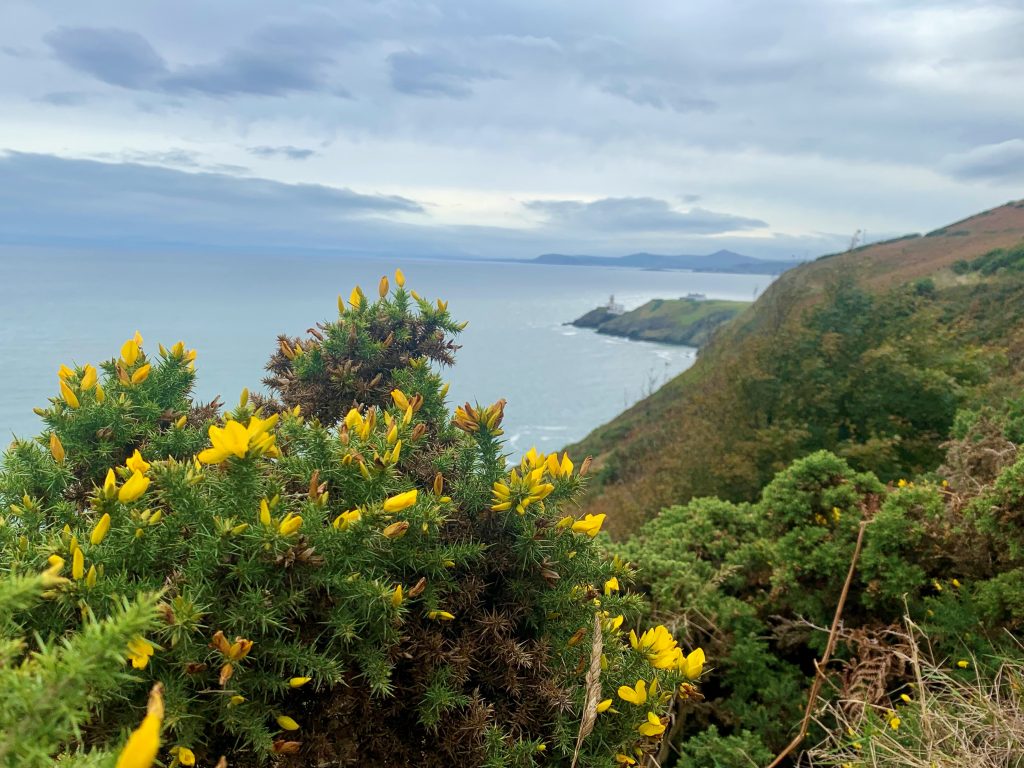
And I can honestly say: I am in love with the Irish nature. The grass really is as green as depicted on the postcards. The dark, turquoise sea, the cliffs covered with grass and colorful flowers – All of it is magical.

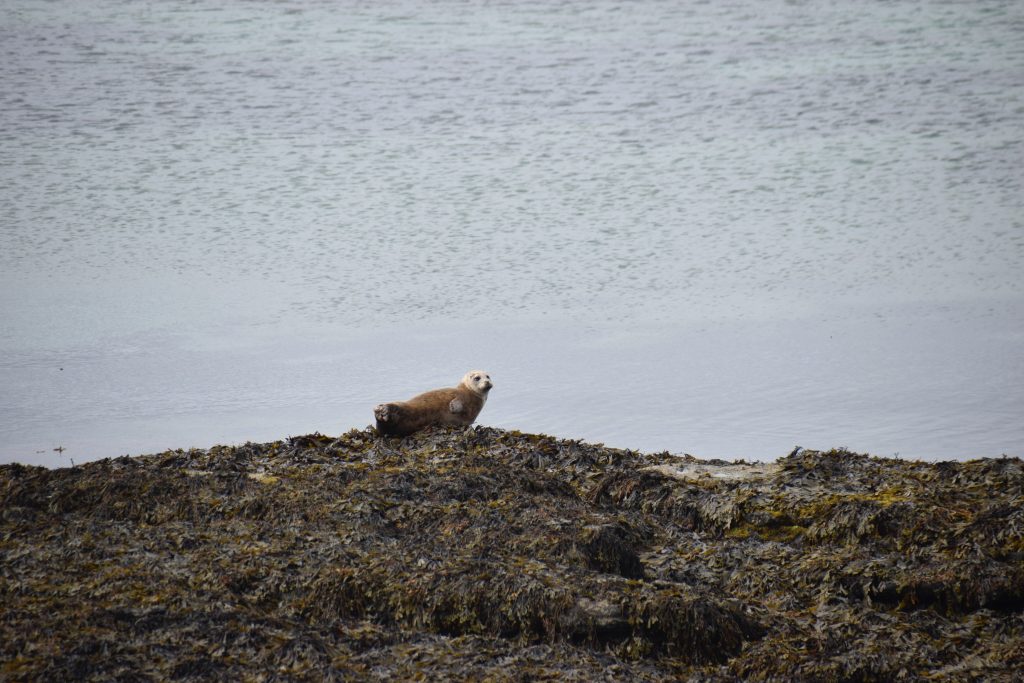
During my last day I visited the small coastal town of Howth with hardly any tourists there. And the first thing I saw was a seal swimming calmly in the harbor. The nature and atmosphere were breathtaking, I can still feel it as if it just happened. At that moment, I was completely with myself.
This magic exploration led me to the mythology about Selkies. In Scotish and Irish folklore, Selkies are seals that can change into a human form by shedding their seal skin. Most of these tales tell of people who irrevocably fall in love with a Selkie. In order to keep them at land, they steal and hide their seal skin to then get married and have children together. But the Selkie man or woman experiences a life of captivity longing for the sea. They are often seen standing at the shore, looking into the ocean, longing for their true home base. And so eventually, they find their seal skin again and return to the sea, leaving their husband and beloved children behind forever.
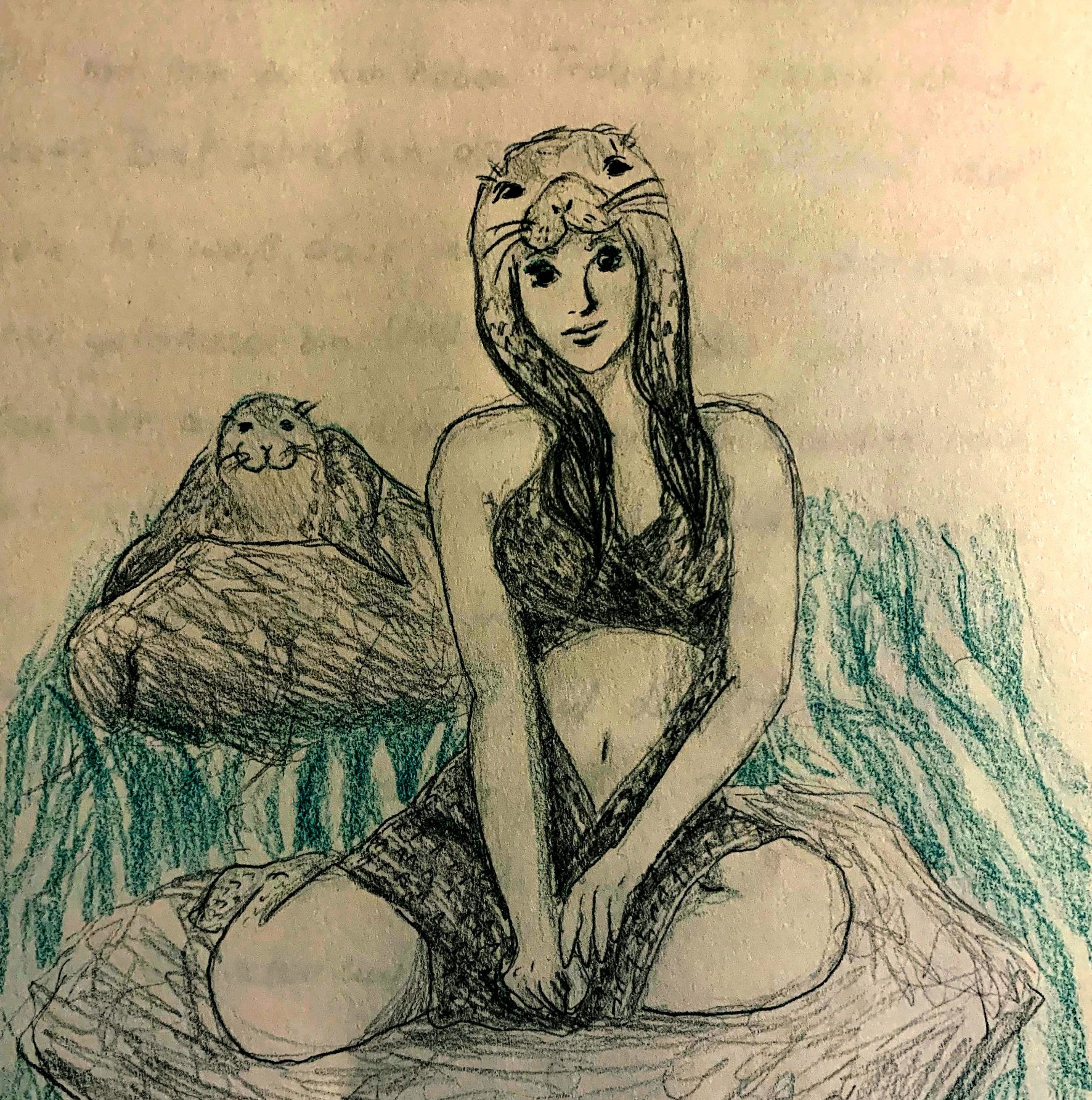
For me, Selkies are a powerful metaphor of the human process of socialization. The seal skin reminds me of a protective shell, something that feels natural. When we grow up, we try to be loved by the people around us. We want to belong, and so we strip off our seal skin. We chose to discard certain parts of ourselves. Parts that are seen as not worthy, bad or undesirable. For some of us it’s the loud voice and confidence, for others it’s the dreamy and artistic attitude, yet for others it’s healthy boundaries or the joy we had to give up in order to belong.
But these feelings remain a part of us. We cannot deny them „away.“ And so our missing seal skin keeps calling us back to the sea, back to freedom.
To many around us, we may suddenly seem „predatory,“ dangerous, or selfish when we begin to regain our seal skin. Suddenly, freedom is more important to us than anything else: We return to the sea, leaving the old behind, and some of us may never return.
But that doesn’t mean a Selkie forgets. In some tales Selkies return to see their families again for a short time, or they surface at sea so their loved ones can see them one last time. Because ultimately, Selkies have the superpower to „change worlds“ upon intention.
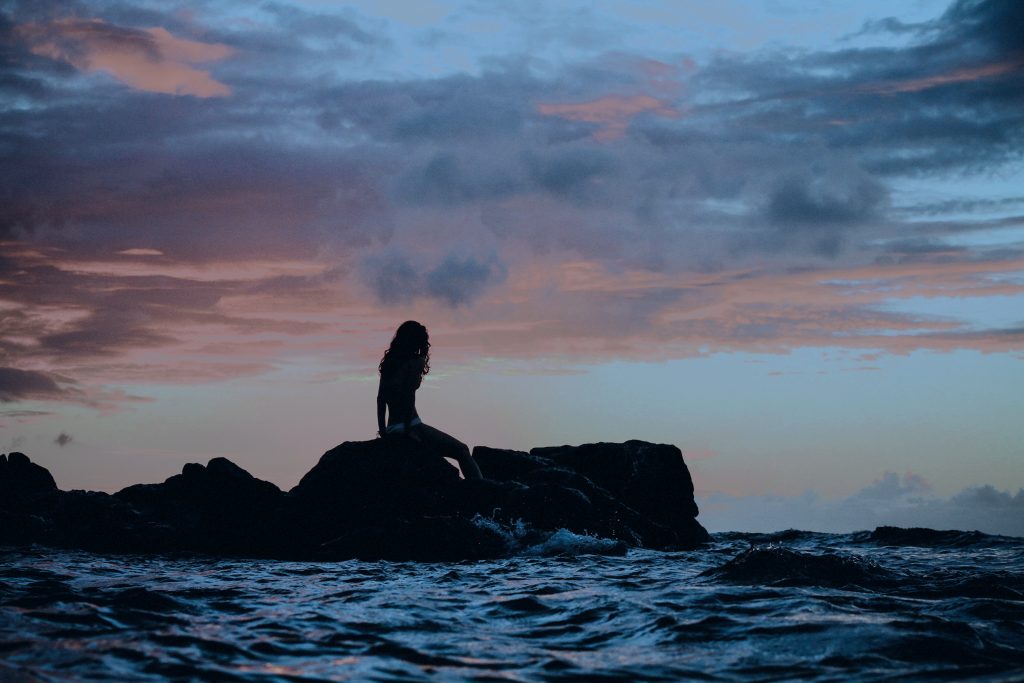
This is a very apt metaphor for my own life. With all the integration I’ve done in recent years, I’ve gone through various processes of leaving the old behind and „returning to the sea“. And this has often been very painful. Just earlier this year, I ended a long-term relationship that was very close to my heart. At first I didn’t want to leave, but I had to admit to myself that I was miserable. That I was keeping myself small in order to stay. The world was calling to me, and the ideas of how the relationship should be led were fundamentally clashing. Even though I was the one who left, I still think back often. I feel guilty for the pain I caused. I feel guilty for not recognizing my seal skin sooner. Perhaps, so I wish, I could have prevented some pain that way. It’s bittersweet. The freedom I have now feeds my soul. My soul was yearning to not feel imprisoned anymore.
As I write these lines, I realize how much I am a match to the „Selkie medicine“ at this time of my life. And I try to remember that even though the Selkie caused pain by leaving her loved ones behind, she was never the villain of the story. It was never her fault that her seal skin got taken away. However, those entrapping the Selkie are not villains either. They do so in a desperate attempt to keep something precious that promises them love and joy. They have been robbed of these things themselves.
And so I hope I can let myself off the hook someday – so I can swim freely.
„Sometimes loving someone means to let them go“